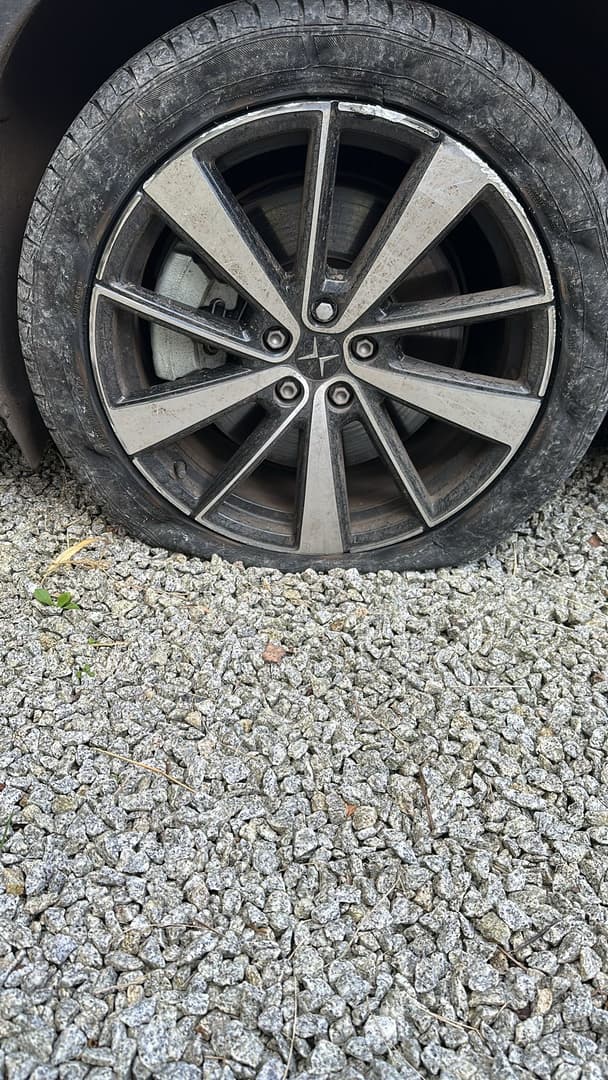
Tyres are the only point of contact between your vehicle and the road. Yet, they are frequently neglected until something goes wrong. A sudden blowout at high speed on a motorway like the M20 can be catastrophic. Knowing how to spot early warning signs of tyre failure is essential for every Kent motorist.
In this guide, we detail five critical signs that indicate your tyre is no longer safe to drive on and requires immediate emergency replacement from a mobile tyre technician.
1. Sidewall Bulges and Bubbles
If you notice a bulge or a 'bubble' protruding from the side of your tyre, this is a severe safety hazard. A bulge indicates that the internal structural cords of the tyre have damaged or ruptured, allowing air pressure to push directly against the thin outer rubber layer.
Warning: A tyre with a sidewall bulge is highly susceptible to a sudden blowout. Do not attempt to drive the vehicle to a garage. Park in a safe location and call for roadside assistance.
2. Deep Cuts, Gashes, or Cracks
Road debris, hitting kerbs at speed, or driving through potholes in Maidstone can cause physical cuts and gouges in your tyre's rubber. If these cuts are deep enough to expose the underlying metal cords or fabric layers, the structural integrity of the tyre is compromised. Moisture can enter, leading to corrosion of the steel belts and eventual tyre failure.
3. Exposed Metal Cords (Belts)
When a tyre becomes extremely worn, the rubber tread completely wears away, exposing the internal metal wire mesh or fabric cords. Driving on exposed cords is illegal, offers virtually zero grip, and means a blowout is imminent at any moment. If you can see metal wire showing on any part of your tyre, do not drive the car.
4. Severe Tread Wear Below the 1.6mm Limit
The legal minimum tread depth in the UK is 1.6mm across the central three-quarters of the tyre. Driving with tyres below this limit significantly increases stopping distances, especially on wet Kent roads, and risks a fine of up to £2,500 and 3 penalty points per tyre. You can test this using the 20p coin test: if the outer band of the coin is visible when inserted into the tread, your tyre is illegal and needs replacing.
5. Puncture in the Sidewall or Outer Shoulder
While many tread punctures caused by nails or screws can be safely repaired, punctures that occur in the tyre's sidewall or outer shoulder area cannot. The sidewall undergoes the most flex and stress during driving, and repairs in this region are unstable and dangerous under BS AU 159 regulations. If you suffer a puncture in these zones, the tyre must be replaced.
What to Do If You Experience Tyre Failure on the Road
If your tyre fails while driving, remain calm, hold the steering wheel firmly, and steer your car to a safe area away from traffic (such as a hard shoulder or layby). Turn on your hazard lights. Do not risk changing the tyre yourself on a busy road. Contact Mobile Tyre Maidstone on +44 7397 901606 for 24/7 rapid emergency mobile tyre fitting at your exact location.